Germany’s Shortage Occupations: In-Demand Jobs for International Workers (2026)
The Federal Republic of Germany is currently experiencing structural labor deficits across multiple economic sectors, driven by demographic aging and industrial transformation. To mitigate these deficits, the German federal government enacted and subsequently expanded the Skilled Immigration Act (Fachkräfteeinwanderungsgesetz). This legislative framework is designed to facilitate the targeted immigration of qualified third-country nationals into recognized shortage occupations. The Federal Employment Agency (Bundesagentur für Arbeit) systematically analyzes domestic labor market data to designate specific sectors as experiencing acute personnel shortages, referred to legally as bottleneck professions (Mangelberufe).
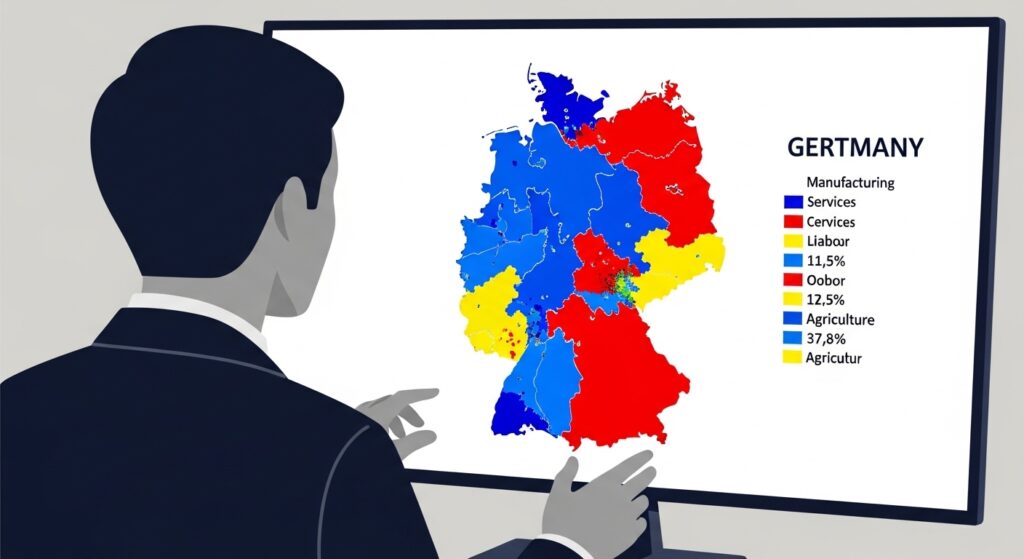
The Regulatory Framework: Bottleneck Professions and the EU Blue Card
The designation of an occupation as a bottleneck profession carries specific statutory advantages for international applicants, primarily concerning the issuance of the EU Blue Card. Regulated by Section 18g of the Residence Act (AufenthG) and administered by the Federal Office for Migration and Refugees (BAMF), the EU Blue Card is the primary residence title for highly qualified workers.
Lowered Salary Thresholds
For standard academic professions, the EU Blue Card requires a minimum gross annual salary of approximately €45,300 (as of the standard adjustments applicable in 2026). However, for officially designated bottleneck professions, the Federal Ministry of the Interior and Community (BMI) mandates a significantly lowered salary threshold of approximately €41,041.80. This statutory reduction makes it highly viable for German employers to sponsor international talent in these critical sectors.
Primary Sectors Experiencing Acute Labor Shortages
The German labor market relies on targeted immigration to sustain operations in sectors critical to national infrastructure, healthcare, and digital transformation. The following categories represent the highest volume of unfilled vacancies recognized by the federal government.
1. Healthcare and Clinical Medicine
The German healthcare system faces a chronic, national deficit of clinical personnel. Demographic shifts have simultaneously increased the demand for medical care and reduced the domestic supply of healthcare workers.
- Medical Practitioners: There is a sustained demand for physicians across all specialties, particularly in rural regions and smaller municipalities outside major metropolitan centers. Foreign-trained doctors must undergo a rigorous credential recognition process (Approbation) managed by the respective state medical associations.
- Nursing Professionals: Registered nurses and geriatric care specialists are critical bottleneck occupations. To streamline recruitment, the government coordinates specialized integration projects, and employers often utilize fast-track recognition procedures via the central service point for professional recognition (Anerkennung in Deutschland).
- Allied Health Professions: Roles such as physiotherapists, radiographers, and occupational therapists exhibit persistent national shortages.

2. Information Technology and Advanced Computing
Germany's digitization initiatives rely heavily on foreign IT professionals. The demand significantly outpaces the number of domestic computer science graduates entering the labor market.
- Software Development and Architecture: Programmers, full-stack developers, and system architects are highly sought after by both established industrial corporations and the technology startup sector.
- Cybersecurity and Data Science: Professionals specializing in network security infrastructure and predictive data modeling are required to protect enterprise systems and manage large-scale industrial data.
- Statutory IT Exemptions: Recognizing the non-traditional educational pathways in the tech sector, German immigration law provides a specific exemption for IT professionals. According to the regulations detailed on the official portal Make it in Germany, IT specialists may qualify for an EU Blue Card without possessing a formal university degree, provided they can demonstrate a minimum of three years of relevant professional experience acquired within the preceding seven years.
3. Engineering and Technical Sciences
The backbone of the German economy relies on advanced manufacturing, automotive engineering, and the current transition toward renewable energy grids.
- Electrical and Mechanical Engineers: The shift toward electro-mobility (e-mobility) and automated industrial production necessitates a continuous influx of specialized engineers.
- Civil Engineering: Large-scale public infrastructure projects, including the expansion of public transit networks and sustainable urban development, require civil engineers and structural designers.
- Green Technology Specialists: Engineers focusing on wind, solar, and hydroelectric power systems are prioritized to meet the national targets for carbon neutrality.
4. Skilled Trades and Craftsmanship (Handwerk)
While academic roles dominate the EU Blue Card statistics, the German dual vocational training system currently cannot fulfill the labor requirements of the Handwerk (skilled crafts) sector. Immigration pathways have been explicitly broadened for individuals holding recognized vocational qualifications.
- Construction Trades: Plumbers, HVAC (heating, ventilation, and air conditioning) technicians, electricians, and masons are structurally deficient. The transition to heat pumps and energy-efficient building standards has exponentially increased the demand for certified installation technicians.
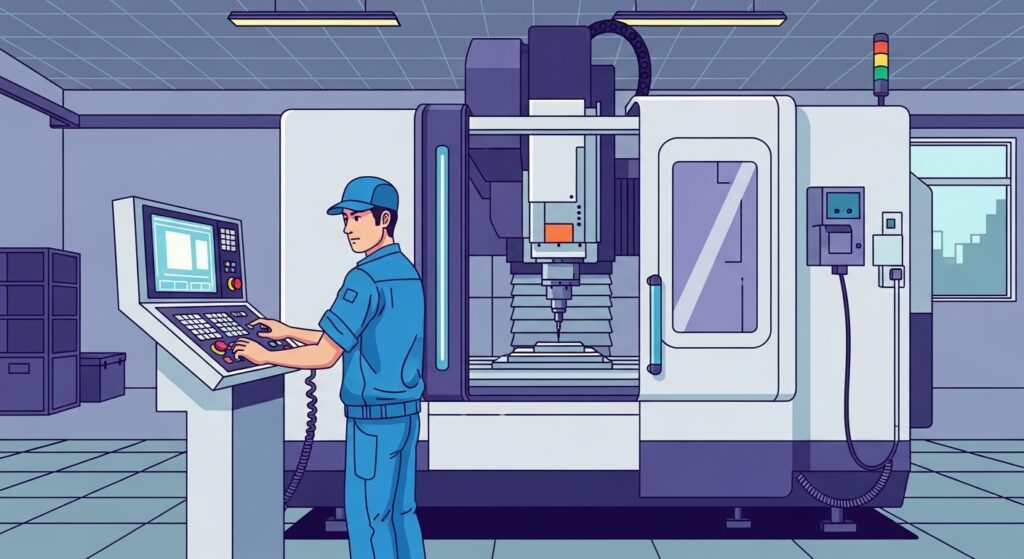
- Industrial Mechanics: Technicians capable of maintaining and operating complex CNC machinery and automated assembly lines are critical for maintaining Germany's export-driven manufacturing sector.
- Logistics and Transport: The expansion of international e-commerce and the necessity of maintaining robust supply chains have elevated commercial drivers (heavy goods vehicles) and logistics managers to critical shortage status.
5. Education and Social Pedagogy
The expansion of early childhood education infrastructure and the integration of international families have created structural deficits in the educational and social services sectors.
- Early Childhood Educators (Erzieher): Municipalities across all federal states report severe shortages of certified educators for kindergartens and daycare centers (Kitas).
- Special Needs Pedagogy: Professionals trained to support individuals with physical or cognitive disabilities are in high demand within specialized educational and residential facilities.
The Opportunity Card (Chancenkarte) for Job Seekers
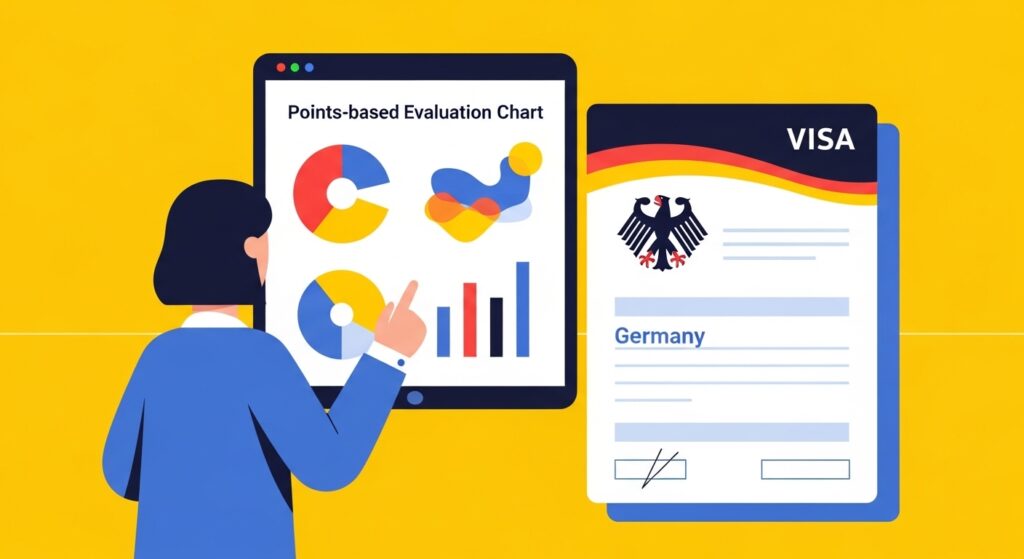
To further attract talent for these shortage occupations, the German government introduced the Opportunity Card (Chancenkarte). This points-based visa allows qualified third-country nationals to enter Germany for up to one year specifically to seek employment, eliminating the prerequisite of a binding job offer prior to arrival.
Points System and Eligibility
The Opportunity Card utilizes a transparent points system assessing language proficiency, professional experience, age, and prior ties to Germany.
- Basic Requirements: Applicants must possess a foreign vocational or academic qualification recognized by the state in which it was obtained, coupled with either German language skills at the A1 level or English language skills at the B2 level according to the Common European Framework of Reference for Languages (CEFR).
- Bottleneck Profession Bonus: Crucially, applicants whose formal qualifications align with the official list of bottleneck professions receive additional points, significantly increasing their probability of reaching the minimum threshold required to secure the visa.
- Employment Rights: During the designated job search period, Opportunity Card holders are legally permitted to work up to 20 hours per week in secondary employment and may participate in two-week trial employment periods (Probearbeit) with prospective employers to facilitate direct hiring.
Professional Recognition (Anerkennungsverfahren)
For the majority of shortage occupations—particularly within healthcare, engineering, and education—the formal recognition of foreign qualifications is a strict statutory requirement before full employment can commence.
Regulated vs. Non-Regulated Professions
The administrative pathway depends entirely on the legal classification of the profession within the Federal Republic.
- Regulated Professions: Occupations such as medical doctors, nurses, teachers, and lawyers are legally regulated. Foreign nationals must obtain formal recognition and a state license to practice (e.g., Approbation or Berufserlaubnis) from the competent federal or state authority. Operating within these professions without official recognition is a criminal offense. Detailed procedures are outlined on the central government portal, Anerkennung in Deutschland.
- Non-Regulated Professions: Most commercial, engineering, and IT roles are non-regulated. While formal recognition is not legally mandatory to sign an employment contract in these fields, it is frequently required by the local Foreigners' Authority to issue the corresponding work visa or EU Blue Card.
Recognition Partnerships (Anerkennungspartnerschaft)
Under the modernized Skilled Immigration Act, employers and international workers can utilize a Recognition Partnership. This legal mechanism allows the foreign national to enter Germany and commence employment immediately, provided both parties legally commit to initiating and completing the formal recognition process concurrently with the employment. This significantly reduces initial processing times for critical hires.
Employer Compliance and State Integration Subsidies
German employers recruiting internationally for shortage occupations must adhere to strict labor laws to prevent wage dumping and ensure standard workplace integration.
Parity in Remuneration and Conditions
The Federal Employment Agency conducts rigorous audits to guarantee that foreign workers are hired under the exact same contractual conditions, working hours, and salary scales as comparable German citizens. Exploitative practices or the failure to pay the mandatory minimum wage (Mindestlohn) or standard collective bargaining rates (Tarifvertrag) result in severe financial penalties and a permanent ban on future international recruitment.
Subsidies for Language Acquisition
To support the onboarding of foreign talent in critical sectors, employers can access federal and state-level integration subsidies. The Federal Office for Migration and Refugees (BAMF) frequently co-finances vocational language courses (Berufssprachkurse) to help international workers achieve the B2 or C1 German proficiency levels legally required for permanent professional registration, particularly within the clinical and nursing sectors.
Read more about: [Applying for the German Permanent Settlement Permit (Niederlassungserlaubnis)]
Disclaimer: This guide is for informational purposes only and is based on public data available for 2026. Visandwork.com is not a government agency, does not issue visas, and does not provide personalized legal or immigration advice. Always consult official government portals before initiating any application process.